Work sampling assessments can be a powerful way to predict how candidates will perform in a role—but only if they’re well designed. When implemented poorly, they can backfire, creating a frustrating experience for candidates and hiring teams alike.
6 mistakes to avoid when implementing work sampling assessments
Let’s look at the common pitfalls when implementing work samples, what a well-executed work sample looks like, and how ThriveMap’s Realistic Job Assessments make it easy to get it right.
The cost of getting work samples wrong
Hiring mistakes are expensive. From lost productivity and re-hiring costs to poor team morale and customer experience, the ripple effects of a bad hire can be significant. But many of these issues stem from one simple problem: candidates don’t truly understand what the job involves until it’s too late.
This disconnect leads to:
- High early attrition
- Low engagement
- Poor job performance
- Wasted time and resources
What work sampling assessments are
Work sampling assessments are tasks or exercises that replicate key parts of a job. They let candidates experience what the role actually involves, and allow hiring teams to evaluate relevant skills in context.
There are a few different types:
- Situational judgement tests – candidates choose how they’d respond to realistic scenarios.
- Task-based exercises – simulations or tasks that mirror everyday responsibilities.
- Role previews – a step-by-step walkthrough of what a typical day looks like, often with questions or decisions built in.
ThriveMap’s assessments combine all three, creating contextual, narrative-based assessments tailored to each role. Read more about the differences between work sampling and Realistic Job Assessments here.
The benefits of work sampling assessments
When done well, work sampling assessments offer huge advantages over CVs and traditional interviews. They are:
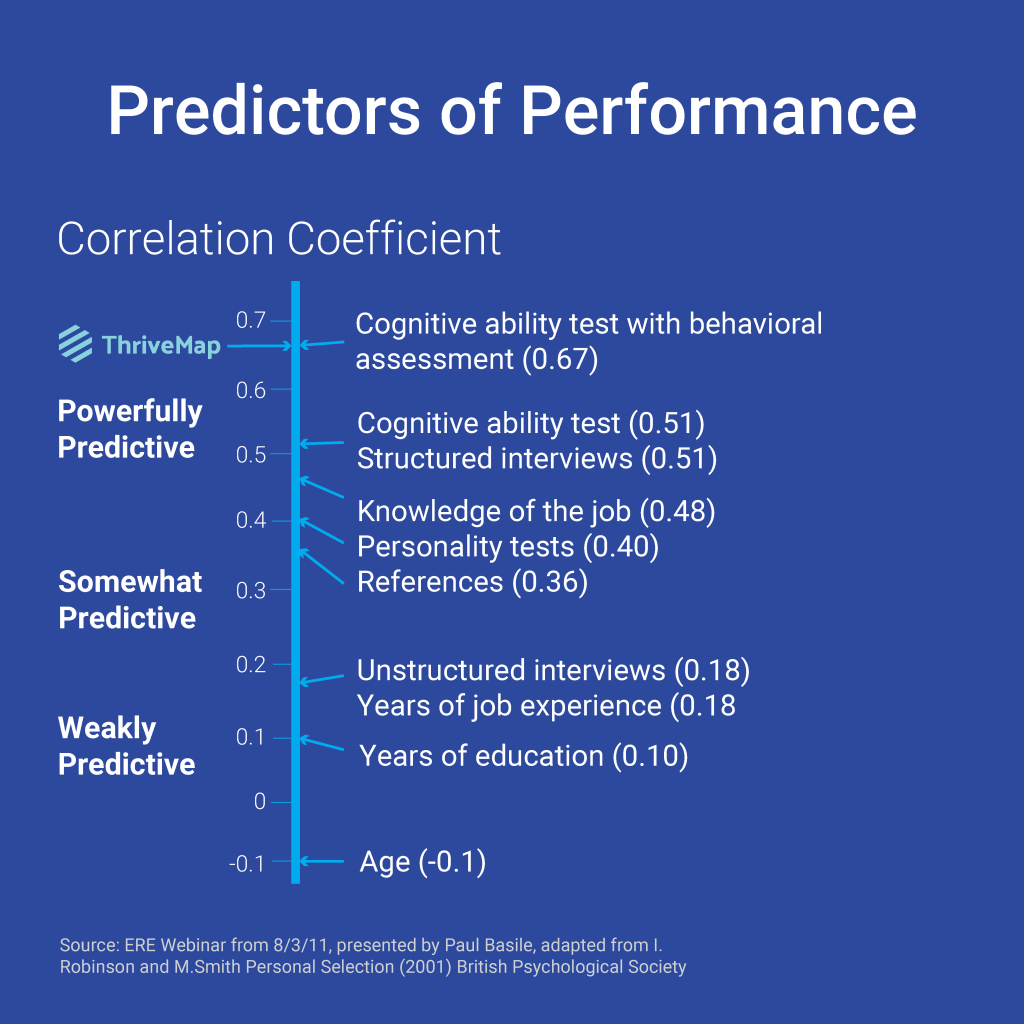
- More predictive of success: Contextually-relevant assessments are the best indicators of future job performance – more accurate than personality tests or generic aptitude assessments.
- Fairer: Candidates from all backgrounds can demonstrate their potential and job-fit, not just those with polished CVs.
- More engaging: Candidates get a clear, honest preview
- of the job, helping them decide if it’s right for them.
Check out our article on why Realistic Job Assessments are the future of hiring for more detail or see our example sample assessments here.
6 common mistakes businesses make when implementing work sampling assessments
Even with the best intentions, it’s easy to go wrong. Here are the most common mistakes—and how ThriveMap helps you avoid them:
1. Creating tasks that don’t reflect the actual job
If the assessment doesn’t align with real job tasks, the results aren’t going to be accurate. Candidates may pass the test but struggle in the role.
How ThriveMap helps: Build a detailed job analysis using our free Signal tool, ensuring every assessment is rooted in what the job actually requires. This guarantees full alignment between the role and the assessment.
2. Making assessments too long or complex
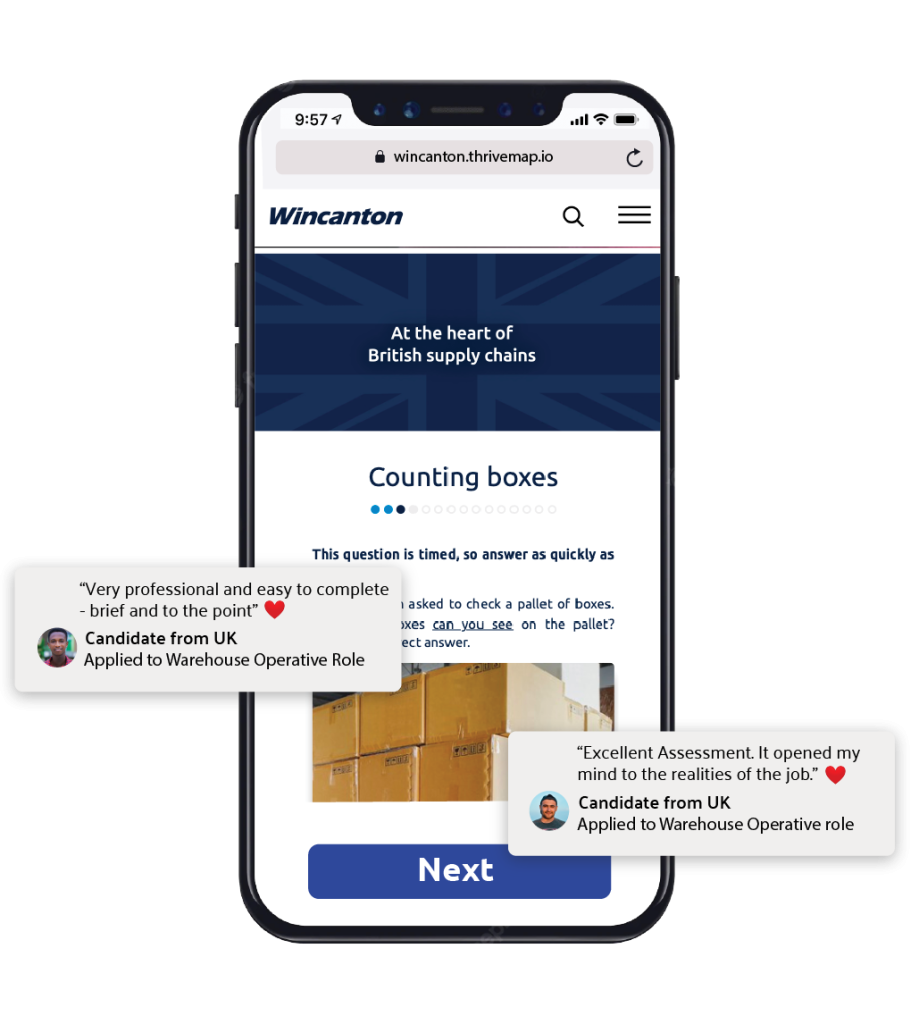
Asking candidates to spend hours on unpaid tasks is off-putting and risks losing the best people—especially for entry-level roles.
How ThriveMap helps: Our assessments are designed to be the right length—long enough to be predictive, short enough to respect candidates’ time. They’re remote, mobile-friendly, and perfect for high-volume roles.
3. Giving poor instructions or vague expectations
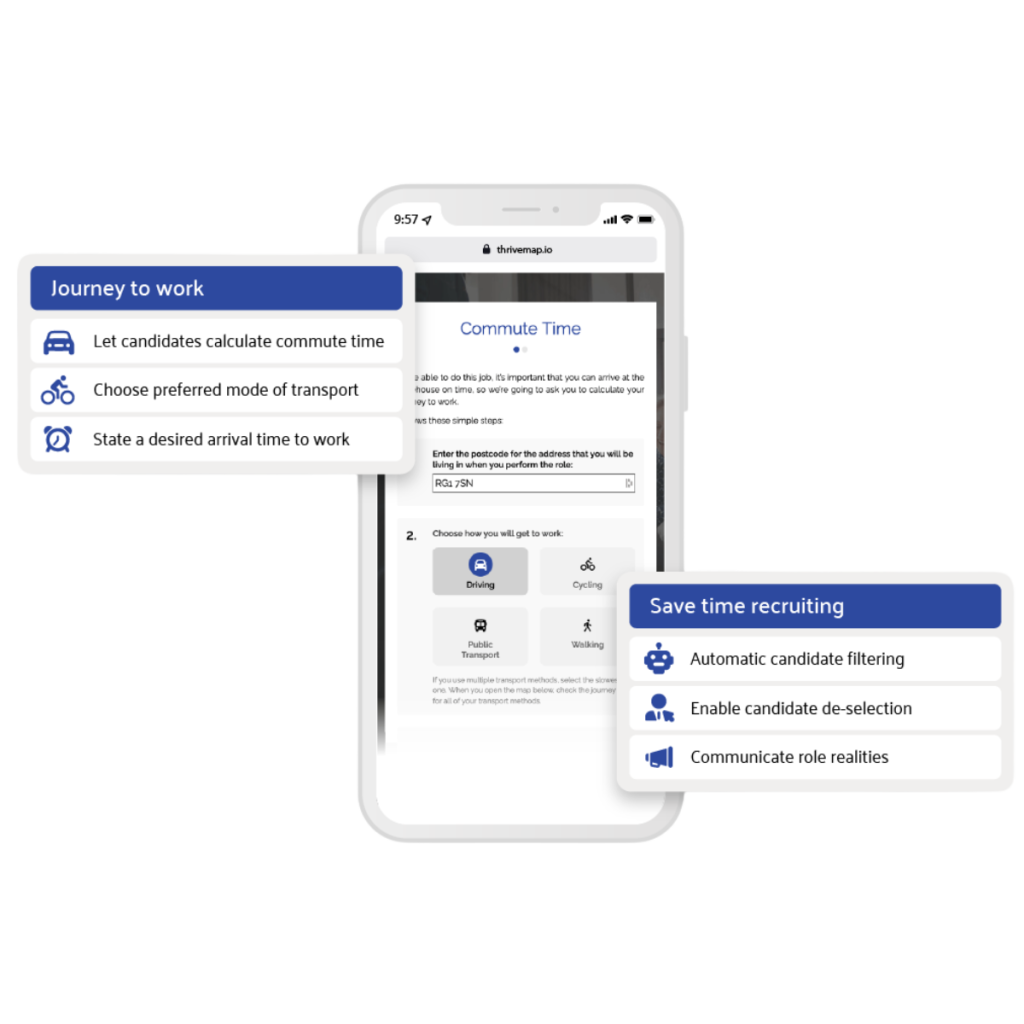
When candidates don’t understand what’s being asked, they underperform—and you lose out on talent.
How ThriveMap helps: Our Smart Assessment Builder guides you through crafting clear, structured assessments in minutes. Or, let our team run workshops with your hiring managers to set clear hiring criteria from the start.
4. Lacking standardised evaluation
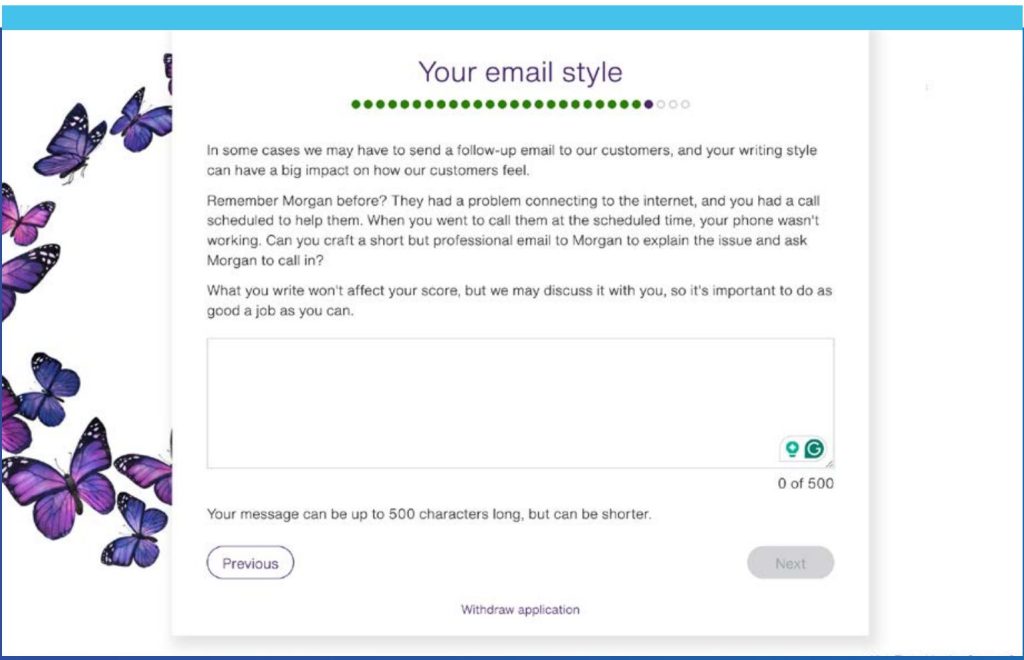
Inconsistent scoring opens the door to bias and makes it hard to compare candidates objectively.
How ThriveMap helps: Our assessments are scored consistently using pre-defined criteria. You get structured, comparable results without needing manual reviews.
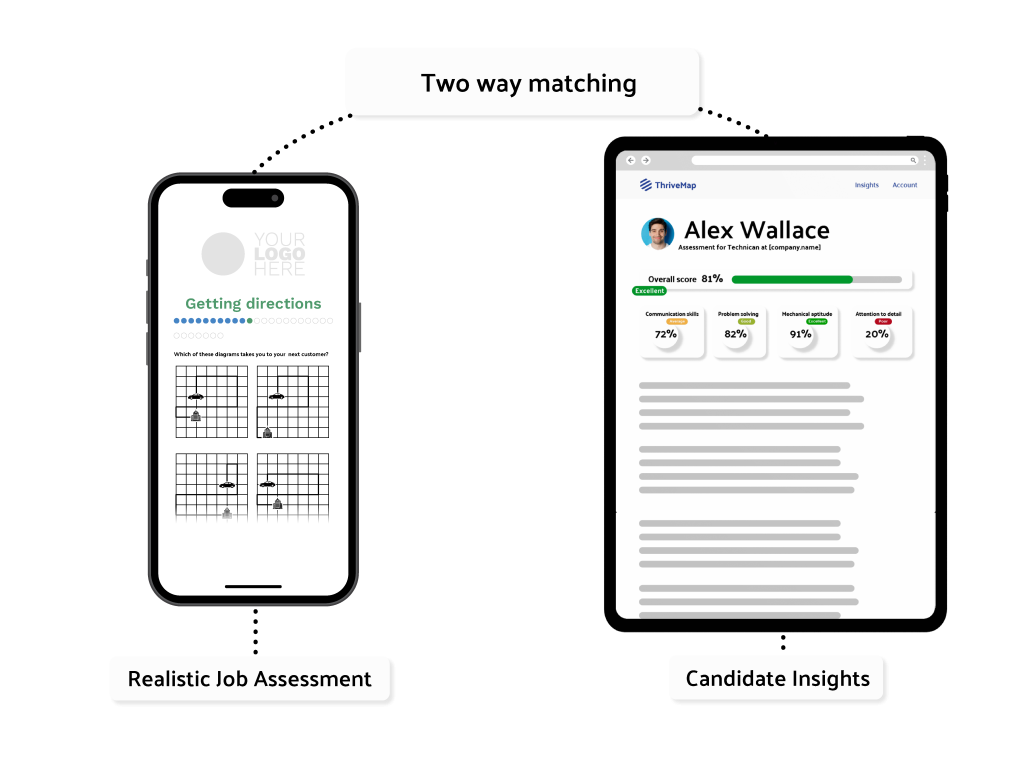
5. Not building a scalable assessment process
When you’re hiring at volume—especially for entry-level roles—you need a repeatable, efficient way to assess candidates without overwhelming your team.
How ThriveMap helps: Our platform is built for scale. Whether you’re hiring for 10 or 10,000 roles, you can automatically send, score, and review candidates at speed. Plus, every candidate gets the same fair, engaging experience.
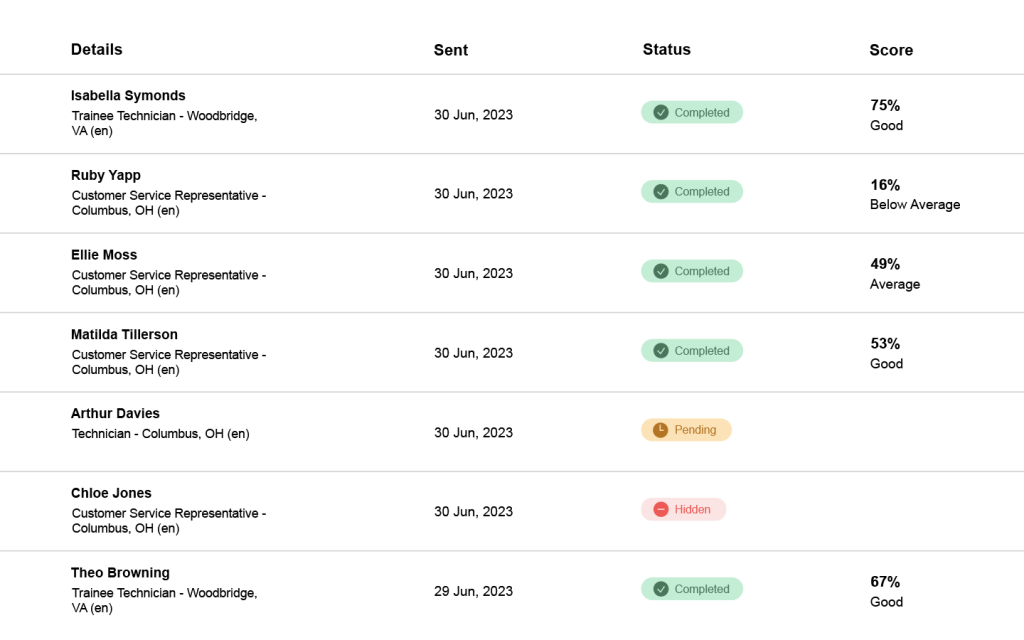
6. Ignoring accessibility and inclusion
Using niche tools or culturally biased scenarios can disadvantage some groups and reduce your talent pool.
How ThriveMap helps: Our assessments are built to be inclusive, accessible, and role-relevant—giving everyone a fair chance to shine, regardless of background.
Real-world success: ThriveMap in action
Many companies have seen significant improvements in hiring outcomes after switching to ThriveMap’s Realistic Job Assessments.
Take Wincanton, one of the UK’s largest logistics companies. Before ThriveMap, they faced high early attrition and misaligned candidate expectations.
After implementing our assessments, they saw:
- A 9% increase in the quality of new hires
- A 27% reduction in early attrition
- Higher engagement and job satisfaction among new starters
Safelite, a leading vehicle glass repair company, replaced traditional hiring tests with ThriveMap’s assessments and saw:
- A 55% drop in early turnover
- More engaged employees
- Faster, more accurate hiring decisions
Reducing early employee turnover
One of the biggest hiring challenges today is early attrition—when new hires leave within weeks of starting. It usually comes down to one thing: the job wasn’t what they expected.
ThriveMap solves this by showing candidates exactly what the role involves before they say yes. In fact, companies using our approach see up to 55% lower early attrition, saving time, money, and hassle.
Get started today
Hiring doesn’t have to be a guessing game. With ThriveMap, you can build realistic, role-specific assessments in minutes—or let us take care of the heavy lifting for you.
? Start using our Smart Assessment Builder or
? Book a personalised demo and see ThriveMap in action.
Ready to make hiring more accurate, inclusive, and human?
Keep reading.
General
Choosing a pre-hire assessment provider: what the new RecTech standard asks of them
UK RecTech vendors process more than 200 million job applications between them a year (Better Hiring Institute). That is the scale of what is riding on these tools actually working: whether the right people get shortlisted, and whether good candidates get screened out by something nobody has ever checked. The pressure on that volume is […]
General
How to avoid contrast bias in recruitment
Imagine your team spends a day sifting CVs. The first few are underwhelming. Then they open one that’s reasonably strong and, by comparison, it looks excellent. Or you’re interviewing six candidates in a day. The 10am candidate gives polished, detailed answers and sets an unusually high bar. The person who follows is perfectly capable, but […]
General
If AI can pass your hiring process, what are you actually assessing? Join live Equitas, ThriveMap and Morgan Philips Webinar
AI is changing both sides of recruitment at the same time. Candidates can use it to write CVs, improve applications, prepare interview answers and increasingly automate the application process itself. Employers are using AI to screen candidates, match people to roles and automate parts of selection. Some of this technology is genuinely useful. Some of […]