Graduate roles differ significantly across companies and even within various departments of an organisation. Successfully identifying the right-fit graduates hinges on a robust recruitment process. This process not only assists internal teams in clarifying their needs but also ensures candidates have realistic expectations about their roles from the start.
How to design an inclusive and effective graduate recruitment process
Chris Platts, CEO and founder of ThriveMap has assisted numerous businesses in refining their graduate recruitment process, emphasising inclusivity to ensure a diverse and equitable hiring experience.
In this guide, he shares a step-by-step approach to constructing the optimal process.
Graduate recruitment step-by-step execution
1. Agree your hiring criteria
Initiate the hiring process by establishing a shared understanding of your criteria among hiring managers and stakeholders. This step is pivotal for success. If the desired attributes are unclear or there’s a lack of alignment across departments, it could lead to hiring the wrong individuals or overlooking excellent candidates, ultimately extending the time-to-hire.

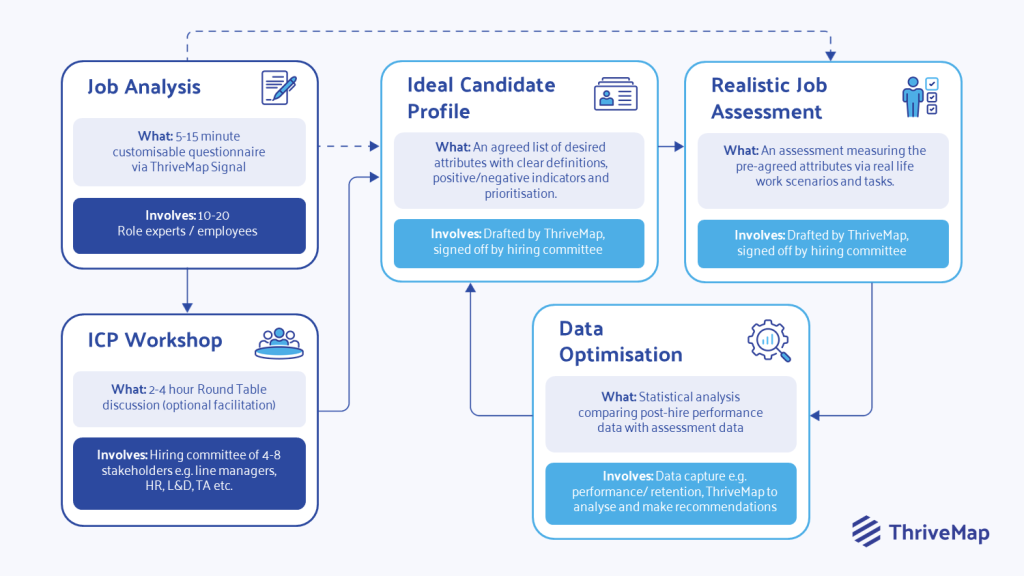
2. Conduct a job analysis
Jobs change and evolve over time. A job analysis is a technique utilised to ensure the hiring criteria is reasonable and realistic.
If a job analysis has not been done in the previous year, then it’s imperative you do one.
Job analysis involves surveying and/or interviewing people in the job to get a realistic understanding of the current correct hiring criteria.
Please note that if your hiring process is deemed to be assessing attributes (behaviours, skills, knowledge) that aren’t job-relevant, then you can be sued for discriminatory hiring practices.
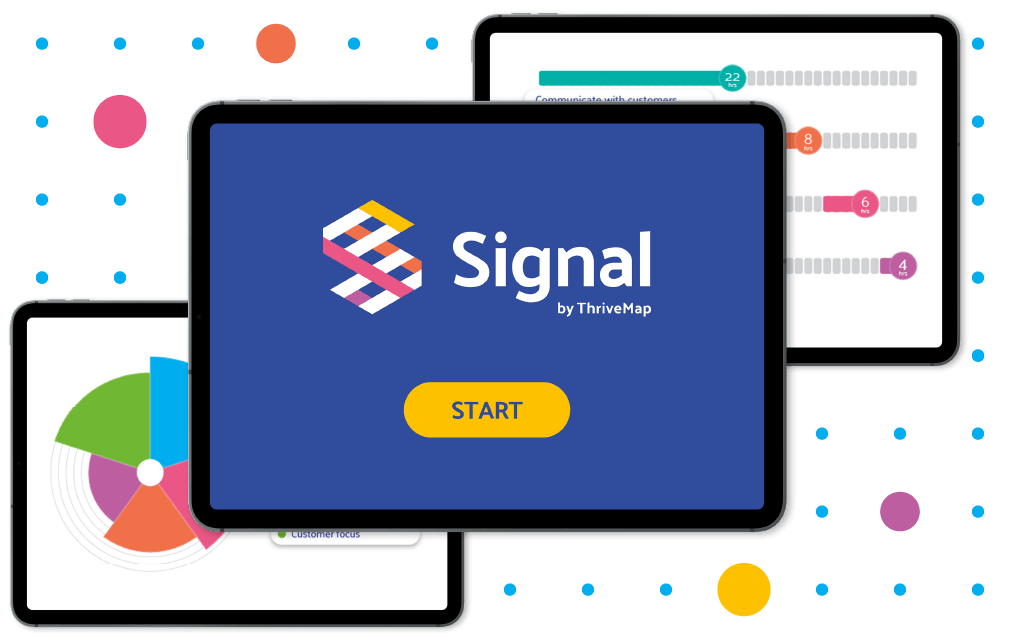
Use Signal to start your job analysis for free here.
3. Create an honest job advert
Following the establishment of your hiring criteria, create a job advert that is both honest and transparent about the nature of the work. Ensure that the advert is a genuine reflection of the day-to-day role by utilising insights from step two. Then validate the job advert by engaging stakeholders, including current role incumbents. Their input is invaluable in confirming that the job advert authentically aligns with the real responsibilities and expectations of the position.
4. Distribute the job advert widely
Disseminate job postings from your ATS across multiple job sites and talent pools to ensure widespread visibility and attract a diverse pool of applicants.
5. Run a social media campaign
Harness the power of social media for your graduate recruitment efforts, with platforms like TikTok, Snapchat, and Instagram gaining popularity. Collaborate with your marketing department to strategise and execute a compelling social media campaign that engages and attracts prospective graduates.

6. Create an engaging stand for careers fairs
Recruiting for Graduate and Apprenticeship programs should include attending careers fairs, as such your ATS should have the ability candidates to register on an ipad or device on the stand (AKA “on-site”). Careers fair stands should be about candidate engagement, making it fun, interactive and providing something for the candidate to take away is key.

Some Graduate Recruitment Assessment providers, ThriveMap included, can create assessments to use at careers fairs, offering prospective new recruits valuable insights into your company and program.
7. Streamline application management
Channel all applications through your ATS for optimal organisation. Avoid retaining applications solely on external job boards. In the absence of an ATS, resort to using a spreadsheet for efficient tracking.
If utilising platforms like Indeed, guide candidates to apply directly on your careers page instead of relying on Indeed’s candidate management system. This ensures a centralised and streamlined application process.
8. Simplify your application form
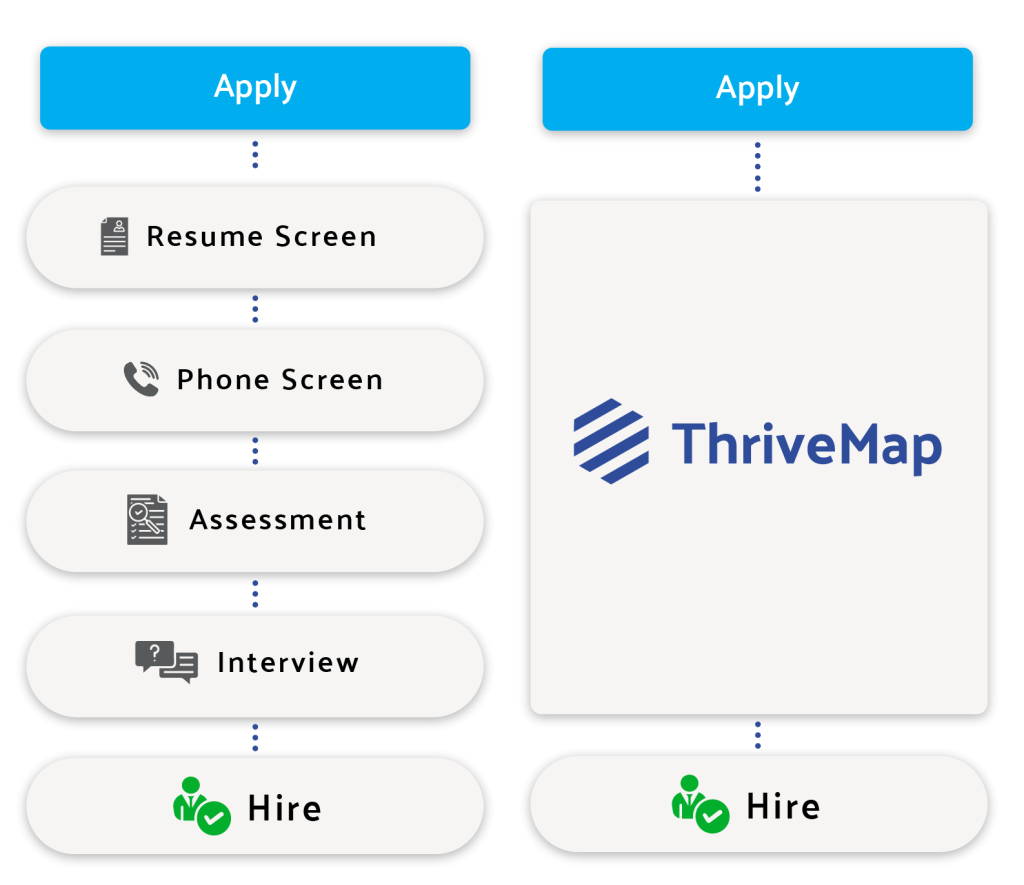
ATS application pages should be simple, quick and not include long-form interview questions or a cover letter without a good reason.
10. Use knock-out questions
Use simple, fact-based knock-out questions to eliminate ineligible candidates. Eligibility criteria will vary but may include things such as degree type and right to work status. Only use these criteria if you can prove that having that degree or right to work status is intrinsic to the nature of performing the job well.
11. Stick to a clear program deadline
Set a deadline for program applications to close. Once closed progress all eligible candidates to online assessment stage at the same time. Make this process clear in your job adverts.
12. Set an assessment score threshold
Calculate an “assessment score threshold” based on the number of hires you need to make, the number of candidates per hire you’d like to invite at the assessment centre. For example, if you need to make 40 hires and want to offer 1 in 3 candidates, work out what candidate assessment score is needed for you to invite the top 120 scoring candidates.
13. Invite candidates to assessment centre
Invite all candidates above the assessment score threshold to the Assessment Centre; be mindful that not all candidates will still be interested and some may accept the invitation but not show on the day, if candidates don’t accept invite the next best scoring candidates. Auto-reject all remaining candidates once all Assessment Centre slots have been taken.
14. Align assessment centre hiring criteria
Conduct the Assessment Centre (AC), have clear scoring for assessment items (e.g. exercises, role plays, interview questions).
Ensure scoring aligns with the online assessment’s hiring criteria. Misalignment between hiring criteria across these stages will lead to sub-optimal candidate conversion.
15. Offer same day final interviews
Progress the best scoring candidates at the AC to final interview, preferably on the same day and make offers. Provide unsuccessful candidates with personalised feedback and give them something to take away with them from the day.
16. Retain your data
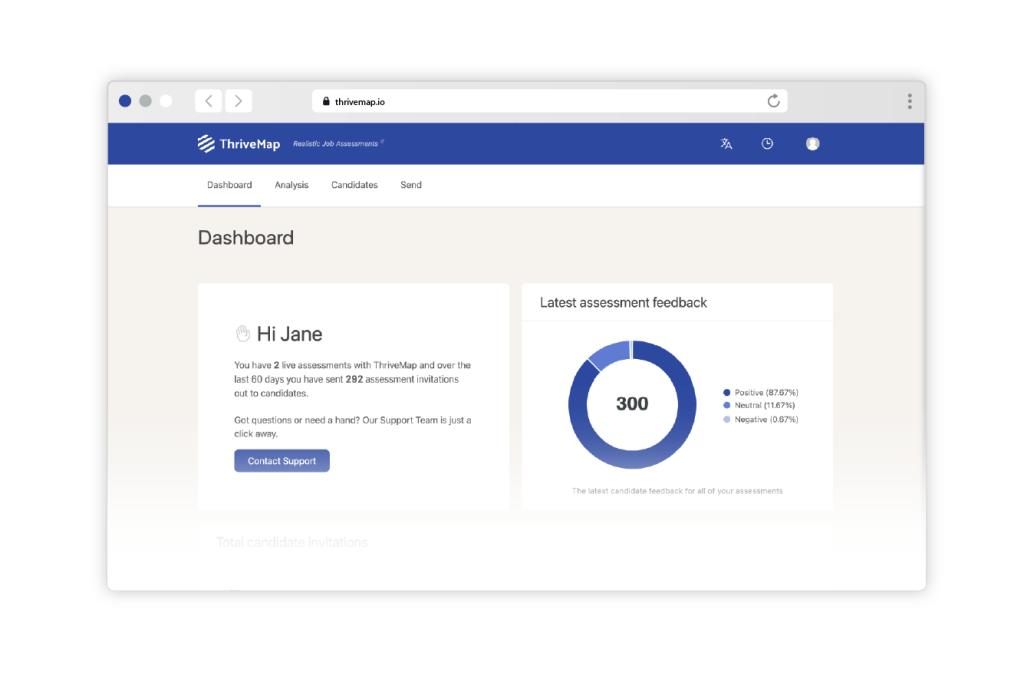
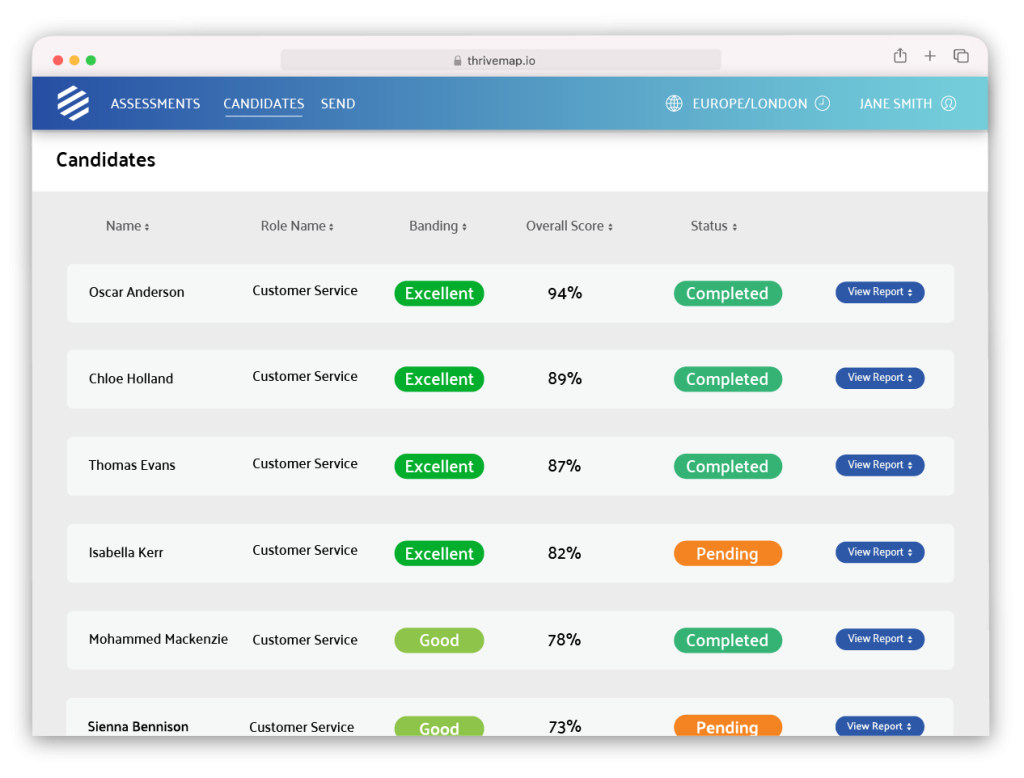
Keep all Assessment Centre data and send it to your assessment provider to run analysis on which attributes are most indicative of performance at Assessment Centre. Your provider should be able to use this data to make recommendations to improve your assessment for the following hiring cycle.

Want to see how ThriveMap’s custom graduate pre-hire assessments can transform your recruitment process?
Request a demonstration here: thrivemap.io/demo
Keep reading.
Entry-Level Recruitment
Why Not All Realistic Job Assessments Are Equal
You set up a realistic job assessment for your latest open role. Candidates log in, answer a few scenario-based questions, and receive a score. You get a neat dashboard showing who performed best. The process feels efficient. But are you actually evaluating if the candidate fits the reality of the job, or are you just […]
Candidate Testing
8 Best Video Interview Software Tools to Streamline Hiring
Introduction Hiring top talent has never been more competitive, or more virtual. With distributed teams and busy schedules, video interview software has become an essential tool for recruiters, hiring managers, and HR professionals looking to evaluate candidates efficiently while delivering a great experience. In this post, we’ll cover the 8 best video interview tools, explain […]
High volume recruitment
Is your pre-hire assessment predictive of performance?
Most hiring assessments claim to be science-backed. But how many truly predict performance? From personality profiles to gamified puzzles, pre-hire assessments have exploded in popularity. But for all the bells and buzzwords, most have a fundamental problem: they aren’t actually predictive of on-the-job performance. And if they’re not measuring what success looks like in your […]