Recruitment technology is rapidly evolving and regulators across the world are playing catch up to ensure candidates are getting a fair experience.
Navigating Recruitment Technology Compliance: How to Future-Proof your Investment
This article discusses the key considerations that you, as a recruitment leader, must consider before investing in new tools, to both future-proof from impending regulations and to uphold equality, inclusion, and diversity in your recruitment process.
How to future-proof your investment in recruitment tools
Why invest in recruitment tools?
The integration of AI and automation into recruitment processes, particularly in high-volume scenarios, brings forth streamlined screening, optimised resource allocation, and improved candidate experiences. Tools improve data-driven decision-making, scalability, and efficiency. Ultimately, this benefits both recruiting teams and candidates, signaling a strategic shift in recruitment.
Pre-hire tools are a crucial part of the recruitment process in order to streamline processes, reduce cost-to-hire and accelerate time-to-hire. These tools range from CV screening to assessment tools to tools that actually read the facial expressions of candidates.
However, caution must be taken to ensure that these tools are fair for candidates. There’s countless examples already of tools exhibiting racial, age, and gender discrimination.
The need for proactive compliance measures:
- ‘Mum penalty’ using AI in hiring
- Amazon’s gender bias AI tool
- Money Bank’s hiring tool discrimination claims
- Uber’s ai tool’s facial verification bias
- Anti-Black bias in recruiting research
- Ageism discrimination in AI hiring
- Company fined for automatically rejecting candidates over 40
- ICO warns of ai-driven systems disadvantaging certain groups
- ‘Wild West’ of AI recruitment
3 key considerations for recruitment technology compliance
Key consideration 1: Which category is this tool?
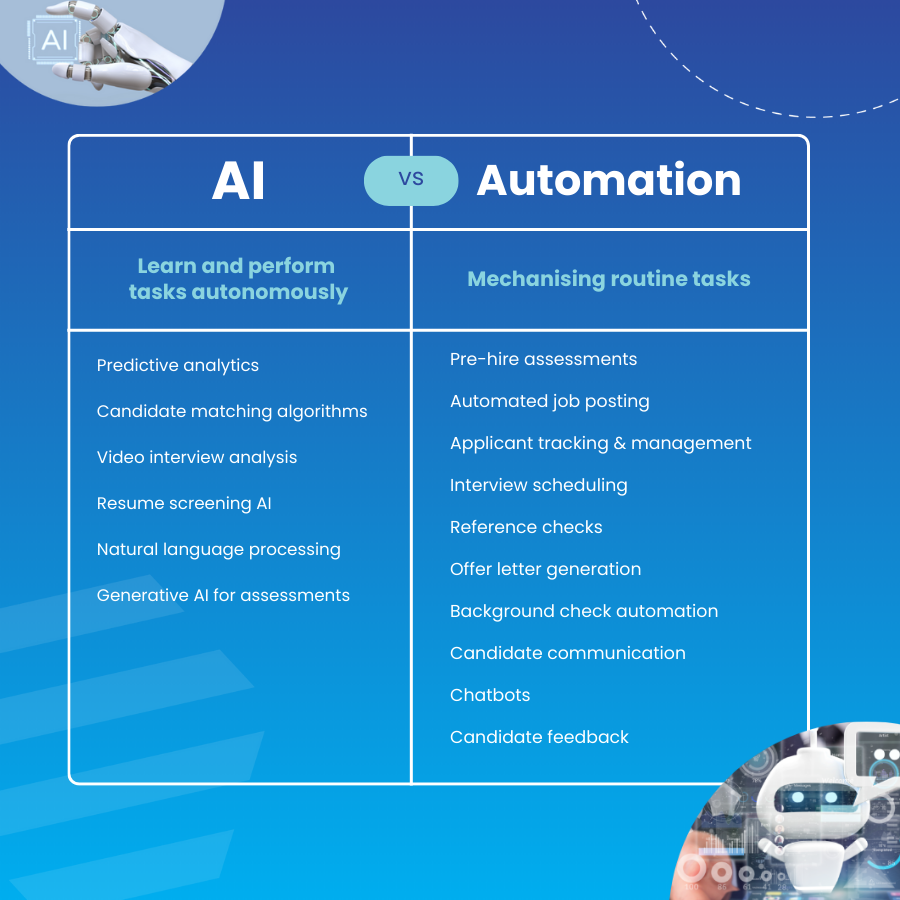
The first step in navigating the regulatory landscape is understanding the categorisation of the tool being considered for adoption. Laws such as NYC Local Law 144 have brought attention to the need for audits of Automated Employment Decision Tools (AEDTs) to prevent bias in hiring. Determining whether a tool falls into this category depends on factors like the data it uses and where it originates.
This distinction is critical, as compliance requirements can vary significantly between different types of tools. For instance, AI-driven tools may face greater scrutiny due to concerns about transparency and bias in decision-making processes.
Key consideration 2: What’s the risk profile of the tool?
Recruitment tools with a high risk profile demand meticulous evaluation and scrutiny. Take, for example, a tool that sifts through thousands of CVs to match candidates, presenting significant ethical, compliance, and data risks. The tool’s reliance on a ‘black box’ of input data must accurately represent the entire population to avoid discrimination. Yet, it inherently seeks candidates with specific backgrounds, which compromises fairness in recruitment, given the high stakes involved. In contrast, solutions like ThriveMap’s job simulation pre-hire assessments prioritise skills-based evaluations that align with job requirements, sidestepping potentially biased data such as educational background or keyword density in CVs.
Key consideration 3: What is the ongoing cost?
When allocating budget for new recruitment tools, it’s crucial to factor in the ongoing costs. Regulations such as NYC Local Law 144 and the EU AI Act now require audits, adding to the financial burden. Particularly with advanced tools that draw data from diverse sources, these compliance costs can escalate rapidly, potentially becoming astronomical.
Build a stronger recruitment strategy
Recruitment leaders must prioritise fairness, transparency, and regulatory adherence in their investment decisions.
Access our comprehensive high-volume recruitment playbook, offering a step-by-step guide complete with templates, videos, and valuable tips.
Plan, design, and construct a robust, streamlined recruitment process with ease.
Download now: thrivemap.io/high-volume-recruitment-strategy-playbook/
